
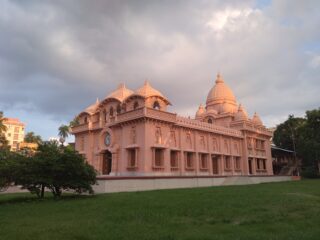
Ramakrishna Mission Ashram Temple
The Ramakrishna Mission Ashram Temple in Malda is a serene spiritual center run by the Ramakrishna Mission. Inspired by the teachings of Ramakrishna Paramahamsa, the ashram serves as a place for prayer, meditation, and spiritual learning. It provides a calm and disciplined environment where visitors can experience inner peace away from the noise of daily life. The temple is known for its peaceful atmosphere, making it an ideal place for meditation and quiet reflection. Devotees and visitors often come here to participate in daily prayers, bhajans, and spiritual discussions. The simplicity of the surroundings, combined with a sense of devotion, creates a deeply calming experience for all who visit. In addition to spiritual activities, the ashram follows the core principle of the Ramakrishna Mission—service to humanity. It actively engages in various social service initiatives such as education, healthcare, and relief work for the needy. This blend of spirituality and service reflects the mission’s belief that serving people is a form of worship. Overall, the Ramakrishna Mission Ashram Temple in Malda stands as a center of both spiritual growth and social responsibility. It not only nurtures the inner life of individuals but also contributes positively to society, embodying a harmonious balance between devotion and service.
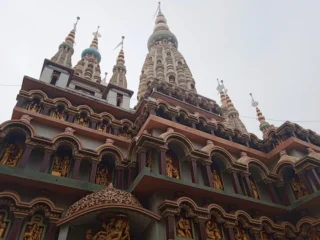
Boro Sona Mosque
The area around the Boro Sona Mosque, located in the ancient city of Gaur, is an important historical and cultural site in Malda district. The mosque itself, known as Bara Sona Mosque, is a magnificent example of Indo-Islamic architecture and dates back to the Bengal Sultanate period. It was once adorned with golden domes, which is why it earned the name “Sona” (gold). Although the mosque is primarily an Islamic monument, the surrounding area contains traces of older and nearby Hindu shrines. These shrines, though often small or in ruins today, indicate that the region was once a shared sacred landscape where different religious communities coexisted. Over centuries, Gaur served as a major capital and cultural center, witnessing the rise and fall of various dynasties and faiths. This coexistence of Islamic monuments and Hindu shrines reflects the rich and layered heritage of Malda. The presence of diverse religious structures in close proximity highlights a history of cultural interaction, adaptation, and mutual influence. It shows how art, architecture, and spirituality developed together in this region rather than in isolation. Today, the Boro Sona Mosque area, along with its nearby shrines, stands as a symbol of Malda’s mixed cultural heritage. It attracts historians, tourists, and devotees alike, offering a glimpse into a past where different traditions blended to create a unique and harmonious cultural identity.
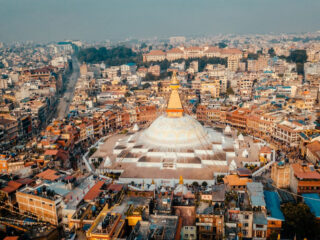
Jahura Kali Temple
The Jharni Kali Temple, located near the historic region of Gaur in Malda district, is a unique and spiritually significant shrine dedicated to Kali. Unlike typical temples, this shrine is known for its distinctive cave-like structure, which gives it a mysterious and sacred atmosphere that attracts both devotees and tourists. One of the most remarkable features of this temple is the continuous flow of water inside the cave. Devotees often have to walk through shallow water to reach the inner sanctum where the deity is worshipped. This natural element enhances the spiritual experience, as the flowing water is considered pure and sacred, symbolizing cleansing and devotion. The origins of the temple are closely linked to local beliefs and traditions. It is said that the temple was established in this cave-like formation due to its natural sanctity, and over time it became a place of regular worship. Its proximity to the ancient ruins of Gaur adds historical importance, making it a site where spirituality and history come together. Today, the Jharni Kali Temple is both a religious center and a popular tourist attraction. Visitors are drawn not only by their faith but also by the temple’s unusual structure and serene environment. The combination of natural surroundings, flowing water, and deep-rooted devotion makes this temple a truly special place in the Malda district.
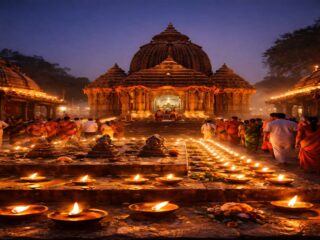
Shiv Mandir
Shiv Mandirs (temples dedicated to Lord Shiva) are found across many villages in the Malda district of West Bengal. These temples are usually simple in structure, often built with basic materials, yet they hold deep spiritual significance for the local communities. The primary deity worshipped is Shiva, often in the form of a Shiva Lingam, which symbolizes divine energy and creation. The origin of these village temples is mostly rooted in local traditions rather than formal historical records. Many of them were established by villagers themselves or by local patrons who wished to create a place of daily worship. Over generations, these temples have become an integral part of rural life, where people gather not only for religious purposes but also for social and cultural interaction. These Shiv Mandirs become especially active during the festival of Maha Shivaratri, which is one of the most important occasions dedicated to Lord Shiva. On this day, devotees observe fasting, offer milk, water, and बेलपत्र (bael leaves) to the Shiva Lingam, and stay awake through the night in prayer and chanting. The temples are decorated, and a strong sense of devotion and unity can be felt throughout the villages. Despite their simplicity, these temples play a vital role in the spiritual lives of the villagers. They provide a peaceful space for prayer, reflection, and community bonding. The Shiv Mandirs of Malda reflect how deep faith and devotion can thrive even without grand architecture, making them spiritually powerful centers for the local people.
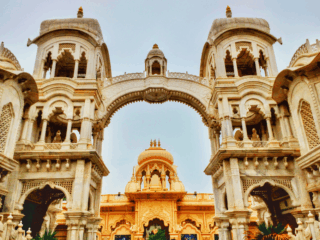
Jagannath Temple
The Jagannath Temple located in English Bazar of Malda district is an important local shrine dedicated to Lord Jagannath, a form of Krishna. Along with Jagannath, the temple also worships his siblings Balabhadra and Subhadra, following the same tradition seen in the famous Jagannath Temple. Although smaller in scale, this temple holds deep religious significance for the people of Malda and nearby regions. The origin of the temple is not clearly documented, but several theories explain its establishment. One common belief is that the worship of Lord Jagannath spread from Odisha to Bengal through pilgrims, traders, and cultural exchanges. Over time, devotees in Malda built this temple to continue the tradition locally. Another theory suggests that local zamindars (landlords) may have supported or constructed the temple during earlier periods when such religious institutions were commonly patronized. The temple is also connected to the spread of Vaishnavism in Bengal. The teachings and influence of Chaitanya Mahaprabhu played a major role in popularizing devotion to Krishna and Jagannath across the region. This spiritual movement encouraged the establishment of temples like this one, making them centers of devotion and community life. One of the most important events celebrated at the temple is the Rath Yatra festival. During this occasion, the idols of Jagannath, Balabhadra, and Subhadra are placed on a large, beautifully decorated chariot. Devotees gather in large numbers to pull the chariot through the streets of English Bazar, accompanied by devotional songs, prayers, and celebrations. The festival creates a vibrant and joyful atmosphere, symbolizing the journey of the Lord among his devotees. Overall, the Jagannath Temple in English Bazar serves as a vital cultural and religious center. It reflects a blend of Odisha’s Jagannath traditions and Bengal’s devotional practices, while continuing to strengthen community bonds through festivals and daily worship.