
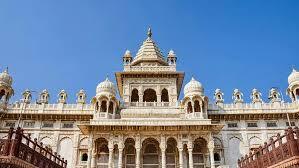
Malda Museum
The Malda Museum is an important archaeological and cultural museum located in English Bazar, Malda. Established in 1937, it is managed by the West Bengal Directorate of Archaeology and serves as a key center for preserving the region’s rich history. The museum houses a valuable collection of artifacts that reflect more than 1500 years of history, including sculptures, terracotta plaques, coins, manuscripts, and inscriptions from ancient and medieval Bengal. These exhibits provide deep insight into the cultural heritage of nearby historical regions like Gaur and Pandua. Located on Subhankar Bandh Road in English Bazar, the museum is easily accessible from Malda town and is close to other tourist attractions. It is a must-visit place for history lovers, students, and tourists who want to explore the archaeological richness of the district.

Adina Deer Park
The Adina Deer Park is a peaceful and scenic nature park located near the historic Adina Mosque in Malda district. Surrounded by greenery, the park is a popular spot for nature lovers, families, and tourists visiting the heritage sites of Pandua. As the name suggests, the park is home to deer and other small wildlife, offering visitors a chance to observe animals in a semi-natural environment. The calm surroundings, shaded pathways, and open spaces make it an ideal place for relaxation, прогулки, and photography. The park is also known for its eco-friendly atmosphere, encouraging visitors to enjoy and respect nature. Many people combine their visit to Adina Deer Park with a trip to nearby historical monuments, making it a perfect blend of nature and heritage tourism. Overall, Adina Deer Park is a refreshing destination in Malda where visitors can unwind amidst greenery while experiencing a touch of wildlife and tranquility.
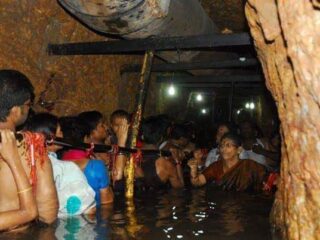
Jharni Kali Temple
The Jharni Kali Temple is a unique and spiritually significant temple located near the historic area of Gaur in Malda district. It is dedicated to Kali and is widely known for its unusual cave-like structure, which sets it apart from typical temples. One of the most distinctive features of this temple is the continuous flow of water inside the cave. Devotees must walk through shallow water to reach the inner sanctum, creating a deeply immersive and sacred experience. The flowing water is considered pure and symbolic of spiritual cleansing, adding to the temple’s mystical charm. The temple is very popular among devotees, especially during religious occasions, when large numbers of people visit to offer prayers and seek blessings. Its natural surroundings, combined with its spiritual atmosphere, make it not only a place of worship but also an attractive destination for visitors. Overall, Jharni Kali Temple stands out as a rare blend of nature and devotion, making it one of the most unique and revered temples in Malda.
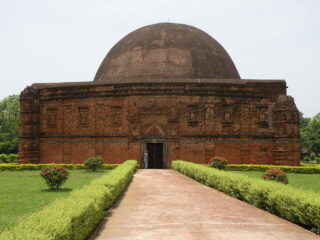
Pandua – Medieval Heritage City
Pandua was one of the most important medieval capitals of Bengal, playing a central role in the region’s political and cultural history. Before the prominence of Gaur, Pandua served as the राजधानी for over a century under the Bengal Sultanate, making it a key administrative and cultural hub. The city is best known for its remarkable monuments, especially the Adina Mosque, which is considered one of the largest mosques in India. Built in the 14th century, it reflects the grandeur of the Sultanate period with its विशाल structure, multiple domes, and impressive arches. Another important site is the Eklakhi Mausoleum, a historic tomb known for its simple yet elegant design and significance in Bengal’s architectural history. Pandua is widely recognized for its Indo-Islamic architecture, which blends traditional Bengali construction styles with Islamic elements like domes, arches, and decorative patterns. These structures highlight the cultural fusion that defined medieval Bengal. Although much of the city now lies in ruins, Pandua remains an important heritage destination. Its monuments continue to attract tourists, historians, and architecture enthusiasts, offering a glimpse into a time when it served as a powerful capital and a center of art, culture, and governance in Bengal.
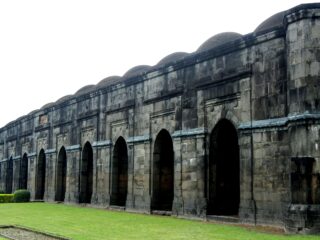
Gaur – The Lost Capital
Gaur, often called the “Lost Capital”, was once a flourishing राजधानी of medieval Bengal. It served as a major political, cultural, and economic center for several dynasties before gradually declining due to changes in river courses, epidemics, and invasions. Today, its vast ruins—scattered across Malda—stand as a reminder of its glorious past. Nearby, Pandua also served as an important capital during different periods. Like Gaur, Pandua is rich in historical monuments and reflects the architectural brilliance of medieval Bengal. Together, these two sites form the core of Malda’s historical identity. One of the most significant monuments in Pandua is the Adina Mosque, which is considered one of the largest mosques in India. Built during the Bengal Sultanate, it showcases grand scale, intricate designs, and strong Indo-Islamic architectural features. Another important structure is the Eklakhi Mausoleum, known for its simple yet elegant design and historical importance as a royal tomb. The monuments of Gaur and Pandua beautifully illustrate Indo-Islamic architecture, where local Bengali styles blend with Islamic design elements such as arches, domes, and decorative patterns. These heritage sites not only attract tourists and historians but also highlight the cultural fusion that shaped the region. Overall, Gaur and Pandua represent a rich historical legacy, making Malda a significant destination for understanding the medieval history and architectural heritage of eastern India.