Festivals

Festivals

Poush Mela and Harvest Traditions

Poush Mela, celebrated during the harvest season, reflects Malda’s agrarian roots. Originating from ancient agricultural rituals, it marks gratitude for a successful harvest. The festival features folk music, traditional foods, and handicrafts. Historically, such fairs allowed rural communities to trade goods and celebrate collective prosperity. Even today, Poush Mela preserves the essence of village life and seasonal rhythms.
Festivals

Gambhira Festival – Voice of the People

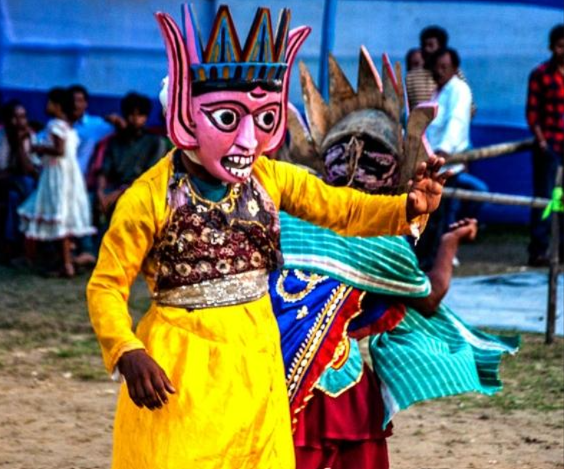
The Gambhira Festival is one of Malda’s most unique folk traditions. Dedicated to Lord Shiva, it dates back to medieval rural Bengal and was originally a ritualistic celebration during the Chaitra month. Over time, Gambhira evolved into a form of folk theatre. Performers wearing masks engage in dialogues that often address social, political, and moral issues. This transformation reflects how local traditions adapted to changing times while retaining their spiritual roots. It remains a powerful example of how festivals can serve as platforms for community expression.

Festivals

Kali Puja and Diwali – Night of Lights and Devotion

Kali Puja, often coinciding with Diwali, holds deep spiritual importance in Malda. Goddess Kali, associated with power and transformation, has been worshipped in Bengal since ancient tantric traditions. The region’s historical connection with Shakti worship makes Kali Puja particularly significant. Diwali, the festival of lights, complements Kali Puja with its themes of prosperity and hope. Historically linked to agricultural cycles and trade, the lighting of lamps symbolizes the removal of darkness and ignorance. In Malda, homes, temples, and streets glow with diyas and decorations, creating a vibrant nighttime atmosphere.

Festivals

Durga Puja – The Grand Cultural Identity

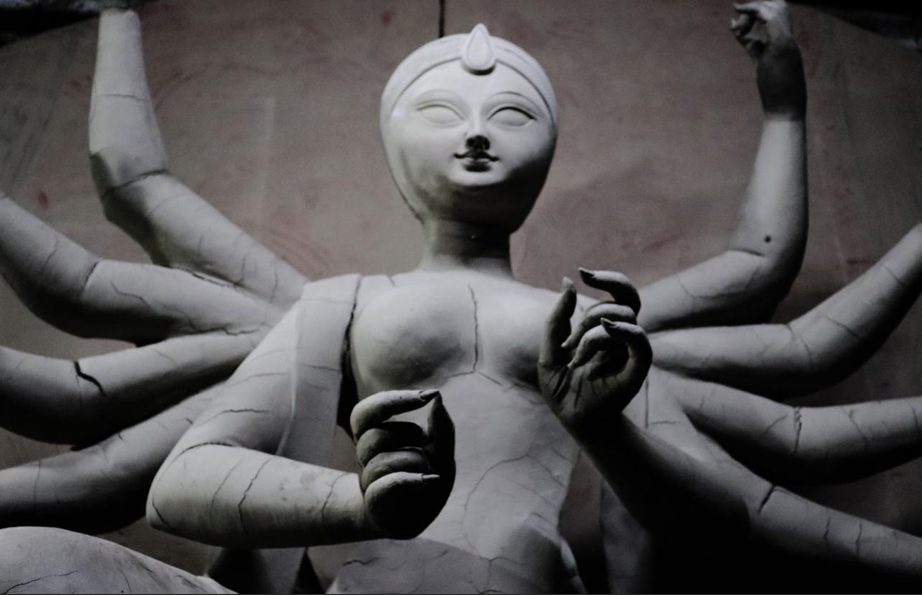
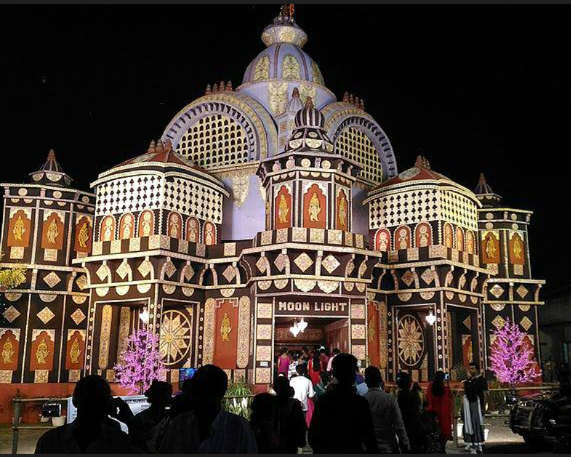
Among all festivals, Durga Puja stands as the most celebrated and culturally defining event in Malda. Rooted in Hindu mythology, it commemorates the victory of Goddess Durga over the demon Mahishasura, symbolizing the triumph of good over evil. Historically, the festival gained prominence during the late medieval period under Bengal’s zamindars, who organized grand community worship. In Malda, Durga Puja evolved into a social and artistic spectacle. Intricately designed pandals (temporary temples), elaborate idols, and cultural programs reflect both tradition and modern creativity. The festival also strengthens community bonds, as people across religions participate in the celebrations.